
Teaching Your Dog to Sit: The Foundation of All Training
The Ultimate Guide to basic dog training: 15 Expert-Backed Strategies
I've been training dogs for over a decade now, and I've made plenty of mistakes along the way. What I've learned is that while every dog is different, there are certain approaches that consistently work better than others. This list comes from real experience - the kind you only get from working with actual dogs in real situations, not just reading about it in books.
Whether you're a first-time dog owner or an experienced handler looking to refine your approach, these strategies will help you build a stronger bond with your dog while achieving your training goals. Each tip is backed by scientific research and real-world application, ensuring you get results that last.
1. Establish a Rock-Solid Foundation First
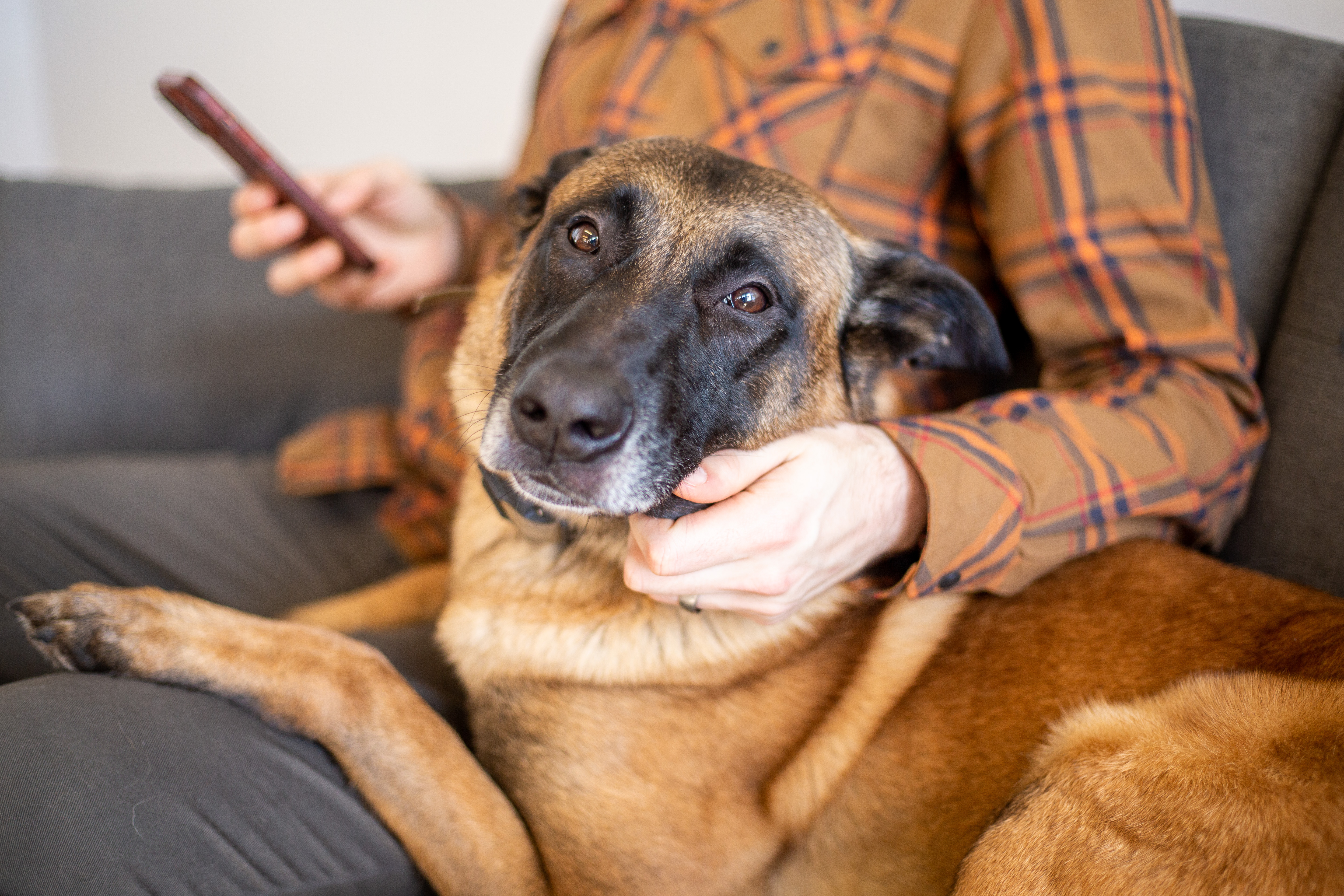
Before attempting any advanced training techniques, your dog must master the fundamental behaviors that form the cornerstone of all future learning. This foundation includes basic commands like sit, stay, come, down, and proper leash walking. These aren't just party tricks – they're essential life skills that keep your dog safe and well-behaved.
Start with one command at a time, ensuring your dog responds reliably in a quiet environment before moving to the next. Use high-value treats and positive reinforcement to create strong associations. A dog who has mastered these basics will learn advanced behaviors much more quickly and reliably.
Here's what I do: I tell my clients to practice each basic command for 5-10 minutes daily for at least two weeks before moving on. It might seem boring, but this repetition is what builds that muscle memory and confidence your dog needs.
2. Master the Art of Positive Reinforcement Timing
Positive reinforcement is the most effective training method, but timing is everything. The reward must be delivered within 1-2 seconds of the desired behavior to create a strong mental connection. This precise timing helps your dog understand exactly which action earned the reward.
Use a variety of rewards to keep your dog motivated: treats, praise, play, or access to preferred activities. The key is to make the reward more valuable than whatever else your dog might want to do at that moment. For challenging behaviors, use higher-value rewards to increase motivation.
Here's a trick I learned: Once your dog really knows a behavior, start rewarding randomly instead of every time. It sounds counterintuitive, but this actually makes the behavior stronger and more reliable. I learned this the hard way when my own dog started ignoring commands when I forgot treats!
3. Optimize Training Session Length and Frequency
Dogs have limited attention spans, especially puppies and high-energy breeds. Keep sessions short (5-15 minutes for puppies, 15-30 minutes for adult dogs) and always end on a positive note. This prevents frustration and maintains enthusiasm for future sessions.
Frequency matters more than duration. Three 10-minute sessions per day are far more effective than one 30-minute session. This frequent practice helps maintain momentum and prevents regression between sessions.

Session Structure: Start with a warm-up (easy commands your dog knows well), introduce new material, practice challenging behaviors, then end with something fun and easy to build confidence.
4. Implement Consistent Communication Protocols
Consistency is the backbone of successful dog training. Every family member must use the same commands, hand signals, and expectations. Inconsistency confuses dogs and significantly slows progress. Create a "training cheat sheet" for your household that everyone can reference.
Use clear, simple commands (one or two words maximum) and pair them with consistent hand signals. This dual communication system helps dogs learn faster and provides backup when verbal commands aren't possible.
Family Training: Hold weekly family meetings to review training progress and ensure everyone is on the same page. This prevents mixed signals and maintains consistency across all interactions.
5. Practice Systematic Environmental Generalization
Dogs don't automatically generalize behaviors across different environments. A dog who sits perfectly in your living room may completely ignore the command at the park. This is normal and expected – it's your job to teach your dog that commands work everywhere.
Create a systematic approach: start in a quiet, familiar environment, then gradually increase distractions and change locations. Practice in your yard, then quiet parks, then busier areas. Use higher-value rewards in more challenging environments to maintain motivation.
Generalization Protocol: Don't consider a behavior "trained" until your dog responds reliably in at least five different environments with varying levels of distraction.
6. Develop a Strategic Reward Hierarchy
Not all rewards are created equal. Create a hierarchy of rewards based on your dog's preferences and the difficulty of the behavior. Use low-value rewards (kibble, praise) for easy behaviors and high-value rewards (chicken, cheese, play) for challenging tasks.
Reserve the highest-value rewards for breakthrough moments and difficult environments. This creates a strong incentive system that motivates your dog to work harder when needed.
Reward Management: Keep a training journal to track which rewards work best for different situations. This helps you optimize your reward strategy over time.
7. Master the Art of Ending Sessions Successfully
Always end training sessions with a behavior your dog performs well. This builds confidence and creates positive associations with training. If your dog is struggling with a new behavior, go back to something they know and end there.
End with a fun activity like play or a favorite trick. This creates anticipation for the next training session and maintains your dog's enthusiasm for learning.
Session Endings: Use a specific phrase like "All done!" followed by play or a special treat to signal the end of training. This helps your dog understand the training session structure.
8. Implement Early Intervention for Behavioral Issues
Address behavioral concerns as soon as they arise, when they're easiest to correct. Small problems become big problems quickly if left unchecked. Early intervention prevents issues from becoming ingrained habits.
Pay attention to subtle changes in your dog's behavior. Increased anxiety, changes in appetite, or avoidance behaviors can indicate underlying issues that need attention.
Warning Signs: Watch for excessive barking, destructive behavior, house soiling, or changes in social behavior. These often indicate stress or confusion that needs immediate attention.
9. Create Comprehensive Socialization Experiences
Proper socialization is crucial for preventing fear and aggression issues. Expose your dog to various people, animals, environments, and situations in a positive, controlled manner. This builds confidence and adaptability.
Socialization isn't just about meeting other dogs – it includes exposure to different surfaces, sounds, smells, and experiences. The goal is to create a confident, well-adjusted dog who can handle new situations calmly.
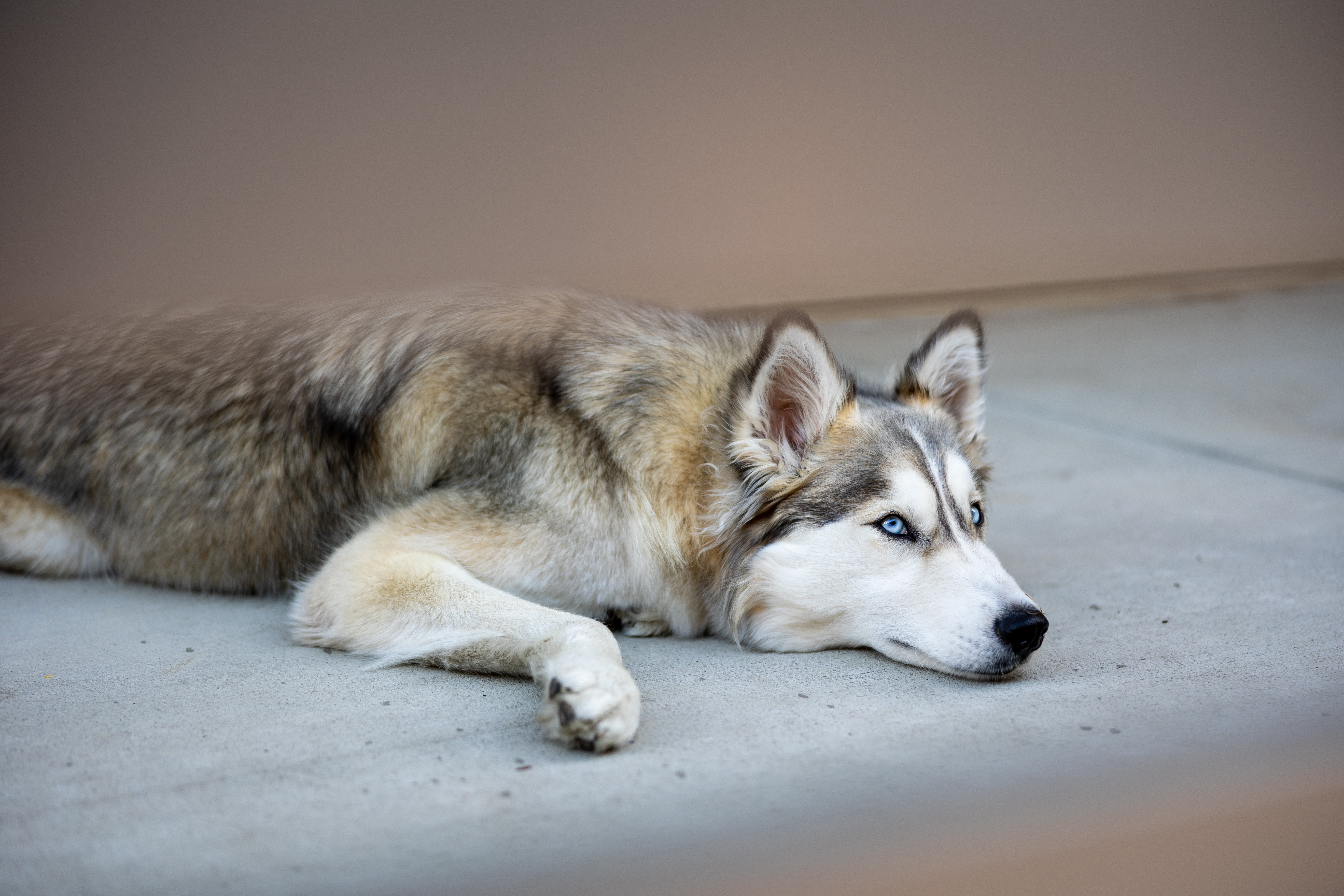
Socialization Schedule: Aim for at least one new positive experience per week during your dog's first year. Keep experiences positive and never force interactions.
10. Track and Celebrate Incremental Progress
Training is a journey with many small victories. Keep detailed records of your dog's progress, noting improvements, challenges, and what works best. This helps you identify patterns and adjust your approach as needed.
Celebrate every small achievement, no matter how minor it seems. This positive training methods keeps both you and your dog motivated and engaged in the training process.
Progress Tracking: Use a simple rating system (1-5 scale) to track your dog's performance on different behaviors. This helps you identify areas that need more work and celebrate improvements.
11. Understand and Work With Your Dog's Learning Style
Every dog has a unique learning style. Some are visual learners who respond well to hand signals, while others are more auditory and prefer verbal commands. Some learn best through repetition, while others need variety to stay engaged.
Observe your dog's responses to different training methods and adapt your approach accordingly. This personalized approach accelerates learning and makes training more enjoyable for both of you.
Learning Assessment: Try different teaching methods (luring, shaping, capturing) to see which your dog responds to best. Use this information to optimize your training approach.
12. Build a Strong Training Foundation Through Relationship
Training is ultimately about building a strong relationship based on trust, communication, and mutual respect. Spend quality time with your dog outside of training sessions to strengthen your bond.
Engage in activities your dog enjoys, whether that's playing fetch, going for walks, or simply spending quiet time together. A strong relationship makes training easier and more effective.
Bonding Activities: Dedicate at least 30 minutes daily to non-training activities with your dog. This investment pays dividends in training success.
13. Master the Science of Motivation and Drive
Understanding Dog Training
Work with your dog's natural drives rather than against them. A high-energy dog needs plenty of exercise before training, while a more laid-back dog might need extra motivation to stay engaged.
Motivation Testing: Present your dog with different types of rewards and observe their response. Use the most motivating reward for the most challenging behaviors.
14. Develop Advanced Problem-Solving Skills
When training doesn't go as planned, develop systematic problem-solving skills. Break down complex behaviors into smaller components, identify where the breakdown occurs, and address that specific issue.
Keep a training journal to track what works and what doesn't. This helps you identify patterns and develop more effective strategies over time.
Troubleshooting Protocol: When stuck, ask: Is the behavior too complex? Is the reward motivating enough? Is the environment too distracting? Is my timing correct?
15. Commit to Lifelong Learning and Adaptation
Training is not a one-time event but an ongoing process. Dogs continue learning throughout their lives, and your training methods should evolve with your dog's changing needs and abilities.
Stay current with training science and techniques. Attend workshops, read books, and consult with other trainers to continuously improve your skills.
Continuous Improvement: Set aside time monthly to review your training approach and make necessary adjustments. This ensures your methods remain effective and relevant.
Expert Insight from Trainer Mike
"The most successful training happens when you approach it as a partnership rather than a dictatorship. Your dog wants to please you and learn new things – your job is to make that process clear, rewarding, and enjoyable. Remember, every dog is capable of learning; we just need to find the right approach for each individual."
Quick Reference Training Checklist
- ✓ Establish basic foundation commands first
- ✓ Use consistent timing for rewards (1-2 seconds)
- ✓ Keep sessions short and frequent
- ✓ Ensure all family members use same commands
- ✓ Practice in multiple environments
- ✓ Create reward hierarchy for different situations
- ✓ Always end sessions on a positive note
- ✓ Address problems early and systematically
- ✓ Provide comprehensive socialization experiences
- ✓ Track progress and celebrate improvements
Ready to Transform Your Dog's Training?
These 15 strategies provide a comprehensive framework for successful dog training. Start with the basics and gradually incorporate more advanced techniques as you and your dog become more comfortable with the process.
Remember, every dog is unique, and what works for one may not work for another. Be patient, stay consistent, and don't hesitate to adjust your approach based on your dog's individual needs and responses. With dedication and the right techniques, you can achieve remarkable results and build an unbreakable bond with your canine companion.
Training is a journey, not a destination. Enjoy the process, celebrate the victories, and learn from the challenges. Your dog is counting on you to be their guide, teacher, and biggest supporter.


Comments (0)
Want to leave a comment?
Please Login or Register to join the conversation.